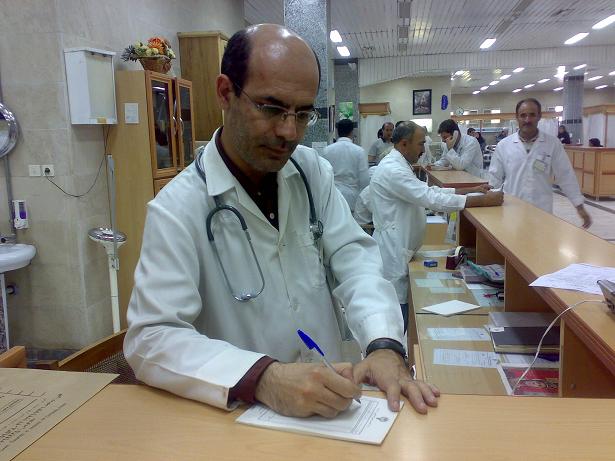









دکتررحمت سخنی ازارومیه مرکزآموزشی درمانی امام خمینی (ره)
Dr.RAHMAT SOKHANI
Dr Chandra Jaysasuriya (MBBS, MS, FRCS DLO) is a qualified consultant ENT Surgeon. She had her secondary education at Devi Balika Vidyalaya, Colombo and graduated from the Faculty of Medicine, Colombo. She completed her training in ENT surgery in Sri Lanka in 1996. She had her overseas training in the United Kingdom in Tameside Acute Care, Ashtonunderlyne.
Dr. Jayasuriya is the current Scientific Secretary of the College of Otolaryngologists and Head and Neck Surgeons of Sri Lanka. She is the founder president and present secretary of the Sri Lanka Laryngectomee Association.
She is a surgeon who attends many local and international seminars to upgrade her knowledge on new development and techniques in ENT surgery.
She has been involved in mass education by numerous particpations in television and radio programs. She is the author of "Obey Panayata Pilithurak" a quesion and answer book on common ENT ailments which is highly acclaimed by the Sri Lankan public.
She pioneered the productivity improvement program in the ENT unit by implementing 5 S method which was awarded National Quality Award as well.
She is a trainer of post graduate students in Otolaryngology from 2002 to date and also a member of board of study Otolaryngology of Post Graduate Institute of Medicine of Sri Lanka.
She has more than 25 years of experience in the medical field and currently works at the National Hospital of Sri Lanka, Colombo.
http://www.rs272.com/
http://rs272.tarlog.com/
http://rs272.vcp.ir
http://www.sahand272.blogfa.com/
WEST AZERBAIJAN URMIA--Dr.RAHMAT SOKHANI

All passengers are susceptible to developing a Deep Vein Thrombosis (DVT), economy, business and first class flyers.
DVT is not, however, exclusive to long haul travellers, and any mode of transport which entails long periods of immobility may be responsible for DVT, including long bus, car and train journeys
Every year DVT occurs in about 1 in 2000 people in the general population, ranging from less than 1 in 3000 in people under the age of 40 up to 1 in 500 in those over 80. Some people are more susceptible to DVT than others. As a general rule, the risk of DVT automatically increases for those aged over 40, with less than 1 in 3,000 people aged under 40 effected by DVT, but 1 in in those over 80. This can also be compounded by one or more of the following risk factors
:In addition to the above, when flying DVT becomes more of a risk factor if you experience
It is vital to keep a level head, if you are concerned that DVT is a hindrance to flying. If you have any concerns or doubt, consult your local GP or travel clinic for expert advice.
Above all with regard to the general public, those at greatest risk are travellers who fail to move about and exercise during the flight.
DVT stands for Deep Vein Thrombosis.
Blood should flow smoothly throughout the body without clotting. A blood clot is a thickening of the blood that the body normally forms to stop bleeding. Blood clots only become a problem when they develop inside a vein and block the normal flow of blood.
Problems occur when a blood clot firmly attaches to a vein. This can partly or completely block the flow of blood in that vein. This blockage stops the tissues in that location from getting normal blood flow and oxygen. If the blockage is not treated promptly it can result in damage or even death of the tissues in that area.
A blood clot that forms in a vein and remains there is called a thrombus. A thrombus that travels from the vein where it formed to another location in the body is called an embolus. When a blood clot occurs in a leg or pelvic vein it is called a deep vein thrombosis (DVT). When a blood clot travels to the lungs, it is called a pulmonary embolism

OSTEOPOROSIS
By Dra. Annabel Carungin
دکتر رحمت سخنی از مرکز آموزشی درمانی امام خمینی (ره) ارومیه
Bone forms the skeleton, whick provides the mechanical framework for the body, is the body"s major store of calcium and protects the internal organs. The skeleton should withstand mechanical stress and must be available for provision of calcium to maintain homeostasis.
Osteoporosis is a progressive disease in which the bones gradually become weaker and weaker, causing changes in posture and making the individual extremely susceptible to bone fractures. The term osteoporosis, derived from Latin, literally means "porous bones". Because of the physiological, nutritional and hormonal differences between males and females, osteoporosis primarily affects women. In the United States, it is the most prevalent metabolic bone disease. Indeed, this debilitating disease afflicts more women than heart disease, stroke, diabetes, breast cancer or arthritis. Fully half of all women between the ages of forty five and seventy five show signs of some degree of osteoporosis. Over a third of that group suffer from serious bone deterioration. In the future, metabolic and age-related bone loss sysndromes will create an increasingly significant health care problem.
Bone mass - The amount of mineral in the bone, generally reaches its peak when a woman is between the ages of thirty and thirty five. After that, it then begins to decline. Between the ages of fifty five and seventy, women typically experience a 30-40% bone loss.
The adult skeleton undergoes a continual process of remodeling in which bone resorption is coupled with bone formation. The entire remodelling cycle, from activation to complete repair, takes about 100 days. At any onetime, about 2 million remodelling units are active throughout the human skeleton. Bone resorption and formation are coupled. In ideal homeostatis, the amount of bone at the initiation of a remodelling cycle is expected to be equal to the amount of bone at the completion of the same cycle. Whenever bone resorption exceed bone formation, osteopenia or osteoporosis occurs.
Unfortunately, bone loss causes no symptoms while it is occuring, so it goes unnoticed until significant loss has occurred. It is very common for a woman to be completely unaware of having osteoporosis until what should have been a minor accidents causes her to break a bone, often a wrist or hip. If osteoporosis becomes quite advanced, even an enthusiastic hug can result in cracked or broken ribs. As bone loss advances, the vertebrae are subject to what called compression fractures, crowding the nerves of the spine and various internal organs and causing a lost of height. This can be very painful. It is this compression that causes the "dowager"s hump" that many women develop as they age. Osteoporosis can also be a contributing factor in toothloss; when the structure of the jawbone weakens, it can no longer hold the teeth firmly in place.
Many people have the impression that osteoporosis is caused solely by a dietary calcium deficiency and that it therefore can be remedied by taking calcium supplement. This is not quite correct. While calcium supplementation is important in dealing with osteoporosis, there are other condsiderations as well.
Several hormonal agents can affect the function of the bone cells. The know regulators of calcium homeostasis in humans are parathyroid hormone, 1,25 - dihydroxyvitamin D3 and possibly calcitonin. The imbalance of these hormones can contribute to bone loss. Changes in hormone levels can be associated with an increased risk of osteoporosis. Among these are changes in the serum parathyroid hormone concentration with age. Decreased renal function decreases the plasma 1,25 dihydroxyvitamin D3 level, and this effect may stinmulate the secretion of parathyroid hormone indirectly or directly.
Vitamin C,D,E and K all play vital roles in battling osteoporosis, as does protein. Regulating the amounts of certain minerals such as magnesiun, phosphorus, silicon, boron, zinc,manganese and copper in the body are also important in maintaining proper calcium levels. Exercise is another vital factor.
There are 2 basic types of osteoporosis. Type I was known to be caused by hormonal changes, particularly a loss of estrogen, which causes the loss of minerals from the bones to accelerate. Type II is linked to dietary deficiency, especially a lack of sufficient calcium and vitamin D, which is necessary for the absorption of calcium. Many women mistakenly believe that osteoporosis is something they need be concerned about only after menopause. However, recent evidence indicates that osteoporosis often begins early in life and is not strictly a postmenopausal problem. Although bone loss accelerates after menopause, as a result of the drop in estrogen leveles, it begins in the premenopausal years.
A number of factors are known to influence an individual"s risk of developing osteoporosis. The first and probably the most important is the peak bone mass achieved in adulthood; the larger and denser the bones are to begin with, the less debilitating bone loss is likely to be. Small, fine-boned women therefore have more reason for concern than women with larger frames and heavier bones. Dietary and lifestyle habits are important as well. Insufficient calcium intake is one factor, but equally important are other dietary practices that affect calcium metabolism. A diet high in animal protein, salt and sugar causes the body to excrete increased amounts of calcium. The body then is forced to "steal" calcium from the bones to meet its requirements. Caffeine, alcohol and many other drugs have a similar effect. To much magnesium and / or phosphorus (found in most sodas and many processed food products) can inhibit the body from absorbing calcium properly, because these minerals compete with calcium for absorption in the blood and bone marrow. Bone density also depends on exercise. When it gets regular weight-bearing exercise (such as walking), the body responds by depositing more minerals in the bones, especially the bones of the legs, hips and spine. Conversely, a lack of regular exercise accelerates the loss of bone mass.
Other factors that make one more likely to develop osteoporosis include smoking, late puberty, early menopause (natural or artificially induced), a family history of the disease, hyperthyroidism, chronic liver or kidney disease and long term use of corticosteroids, anti-seizure medications or anticoagulants.
While osteoporosis causes no specific symptoms until it is advanced, there are some early warning signs that may signal bone loss is occuring. These include a gradual loss of height, a stooping or rounding of the shoulders and generalized aches and pains. If you notice that your clothes seem to be getting longer, that may be a clue.
Recommendations:
1. Eat plenty of foods that are high in calcium and vitamin D. Good sources of easily assimilable calcium include broccoli, clams, most dark green leafy vegetables, hazelnuts, molasses, oats, oysters, salmon, sardines (with the bones), sea vegetables, sesame seeds, shrimps, soybeans, tofu and wheat germs.
2. Consume whole grains and calcium foods at different times. Whole grains contain a substance that binds with calcium and prevents its uptake. Take calcium at bedtime, when it is best absorbed and also aids in sleeping.
3. Include garlic and onions in the diet, as well as eggs (if your cholesterol level is not too high). Thses foods contain sulfur, which is needed for healthy bones.
4. Limit your intake of almonds, asparagus, cashews and spinach. These foods are high in oxalic acid, which inhibits calcium absorption.
5. Avoid phosphate-containing drinks and foods such as soft drinks, high- protein animal foods and alcohol. Avoid smoking, sugar and salt. Limit your consumption of citrus fruits and tomatoes; these oods may inhibit calcium intake.
6. Avoid yeast products. Yeast is high in phosphorus, which competes with calcium for absorption by the body.
7. If you are over 55 years old, include a calcium lactate (if you are not allergic to milk) or calcium phosphate supplement in your daily regimen, and take hydrochloric acid (HCl) supplements. In order for calcium to be absorbed, there must be an adequate supply of Vitamin D as well as sufficient HCl in the stomach. Older people often lack sufficient stomach acid.
8. If you"re taking thyroid hormone or an anticoagulant drug, increase the amount of calcium you take by 25 to 50%..
9. If you"re taking a diuretic, consult your physician before beginning calcium and vitamin D supplementation. Thiazide type diuretics increase blood calcium levels and complications may result if these drugs are taken in conjunction with calcium and vitamin D supplements. Other types of diuretics increase calcium requirements, however.
10. Keep active, and exercise regularly. A lack of exercise can result in the loss of calcium, but this can be reversed with sensible exercise. Walking is probably the best exercise for maintaining bone mass.
11. Do Biomagnetic Therapy.
a. Meridian Energizing treatment, 3 times a day for 7 days to 2 weeks.
b. Daytime sternum and Nighttime treatment (daily).
c. Drink Magnetized Negative water with MSO.
http://www.sahand272.blogfa.com/
http://www.rs272.parsiblog.com/
WEST AZERBAIJAN URMIA--Dr.RAHMAT SOKHAN
By: Colon Cleansing & Constipation Resource Center
Updated: April 23, 2009
Back pain can result from many medical situations, including constipation. In fact, constipation and back pain have an ongoing relationship in the lives of many people. Back pain can cause constipation and constipation can cause back pain as well. Backaches that are caused by constipation are not uncommon; they simply don’t get the attention they should and are often attributed to other reasons.
On the other end of the spectrum, individuals suffering from back pain are in many cases prescribed codeine to help with pain management. Codeine is a painkilling narcotic that can also unfortunately cause constipation as one of its side effects.
Constipated individuals have been known to herniate discs from straining too hard when trying to force a bowel movement. Pregnant women routinely face constipation along with back pain. Also, it’s common for people who follow the Atkin’s Diet to experience frequent constipation due to its recommendation of consuming high amounts of animal-based protein. Meat, which is difficult for the human system to digest, can accumulate over time in the colon and end up blocking it altogether.
Constipation and back pain symptoms can result from numerous factors. Lack of fiber is generally one of the more common reasons. It can also result from not drinking enough water. Some of the other causes of constipation can include:
Not only can constipation cause severe backaches, it can also result in mood swings, a weakened immune system, a general lack of energy, foul breath or body odor as well as bloating and weight problems.
Traditionally, if you haven’t had a bowel movement in 3 days or more, you’re considered constipated. But don’t think just because you have bowel movements every other day that you’re free from this condition. There are a few factors determining if you are constipated. It’s the quality of those bowel movements that make the difference.
For example, if you produce hard stools more than 25% of the time, you may be constipated. If you have to strain frequently and/or have incomplete bowel movements more than 25% of the time, you could be constipated. Likewise, if you have two or fewer bowel movements within a week’s time, you’re probably constipated.
Some incredible data supports the fact these two health problems affect Americans on a routine basis.
Constipation affects at least 4 million Americans each year, and over half of them seek out professional help for this problem. Many sufferers choose to try to solve the problem themselves, giving the laxative business over $725 million dollars a year.
Experts believe approximately 80% of all Americans will experience constipation and back pain difficulty at some point in their lives. Back pain is one of the leading health related problems in this country. The following statistics speak for themselves.
In order to control both constipation and back pain, it makes sense to target what’s actually causing the pain–the constipation! It’s sometimes not enough to simply increase your water and fiber intake. Occasionally, your colon gets so impacted toxins begin to accumulate and attack your system. What’s needed is a complete flush and detoxification of your colon.
The health benefits from a clean and healthy colon are remarkable. Some of the ways a person can see and feel a difference include:
Constipation and back pain can each be distressful, but when combined they can be unbearable. It’s important to attack the cause of the pain and not the symptom. In this case, the pain is most likely a symptom of severe constipation. By taking a pain reliever to help manage the pain, you could actually be making the constipation worse due to chemical side effects. But by effectively managing the cause, the constipation, you will notice the change!
www.colon-cleanse-constipation.com
http://www.sahand272.blogfa.com/
http://www.rs272.parsiblog.com/
WEST AZERBAIJAN URMIA--Dr.RAHMAT SOKHAN
دکتر رحمت سخنی از مرکز آموزشی درمانی امام خمینی (ره) ارومیه

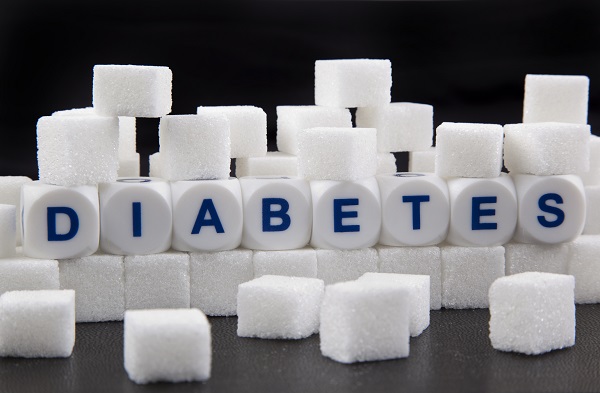
کاملترین پروژه آموزشی دیابت در 44قسمت
نوشته : دکتر رحمت سخنی از مرکز آموزشی درمانی امام خمینی (ره) ارومیه

بیماری دیابت یک بیماری مزمن پردردسری برای تمام مبتلایان به آن و همراهان و حتی دولتهاست .این بیماری علاوه برعلایم آزار دهنده دارای عوارض فوق العاده زیاد و گاه خطرناکی بوده که جان مبتلایان به دیابت را هر لحظه تهدید میکند .در کشور ما متاسفانه به خاطر عدم وجود یک سیستم بهداشت و درمان قوی و منسجم ، عدم بیمه بودن تمام اقشار جامعه و ناکارایی آنها و از طرفی به خاطرعدم شناسایی بیماری دیابت به عنوان بیماری خاص ، هر روزشاهد افزایش تعداد این بیماران و اضافه شدن آلام بیماران و همراهان آنها هستیم که بی شک بار مالی مضاعفی نیز بر روی دولتها تحمیل می نماید .پزشکان و اندیشمندان دلسوززیادی با انتشار کتاب ،جزوه ،تشکیل انجمنهای مختلف و برگزاری گنگره های زیادی سعی در ارائه آخرین دست آورده های علمی در رابطه با دیابت بوده اند که باید از آنها صمیمانه تقدیر به عمل آورد .اخیرا با پیشرفت آموزش از طریق اینترنت دوستان دیگری در تلاش بوده اند که این اطلاعات ذیقیمت را به راحتی در اختیار عموم مردم و دیگر اندیشمندان قرار دهند .در مقاله زیر زحمات این عزیزان با درج اول تیتر مقالات آنها در44قسمت به صورت پروژه کامل آموزشی در مورد بیماری دیابت به شیوه بسیار آسان ارائه گردیده است که با کلیک برروی آنها مقالات فوق به صورت کامل و جداگانه در اختیار علاقمندان و دانش پژوهان قرار گرفته است. امید وارم اینجانب نیز به عنوان یک پزشک خدمتگزار بیماران فوق توانسته باشم زکات علم و دانش خود و منطقه همیشه قهرمان و سرسبز آذربایجان را به نحو احسن به منحصه ظهور رسانده باشم .با سپاس دکتر رحمت سخنی از مر کز آموزشی درمانی امام خمینی (ره) اورمیه (آذربایجان غربی ):
درمان دیابت با قرصهای ضد دیابت
انسولین تراپی در بیماران دیابتی(1)
دیابت وعوارض قلبی وعروقی آن(1)
دیابت و عوارض قلبی و عروقی (2)
پای دیابتی (1)
هیپرگلیسمی یا افزایش قندخون hyperglycemia
کتواسیدوز دیابتی یک خطرKetoacidosis
کاملترین هرم غذایی دردیابتی ها
گروهها ی پایه غذایی دیابتی ها در یک نگاه
اصول کامل تغذیه دردیابتی ها(1)
کاهش وزن رمز موفقیت درمان دیابت
رژیم غذایی دیابت نوع دوم به زبان ساده
اصولی کلی ورزش در بیماران دیابتی
وظایف والدین دارای کودک دیابتی
سفرکودکان دیابتی واقدامات لازم
http://www.sahand2721.parsiblog.com/
http://www.rs272.parsiblog.com/
http://www.sahand2722.parsiblog.com/
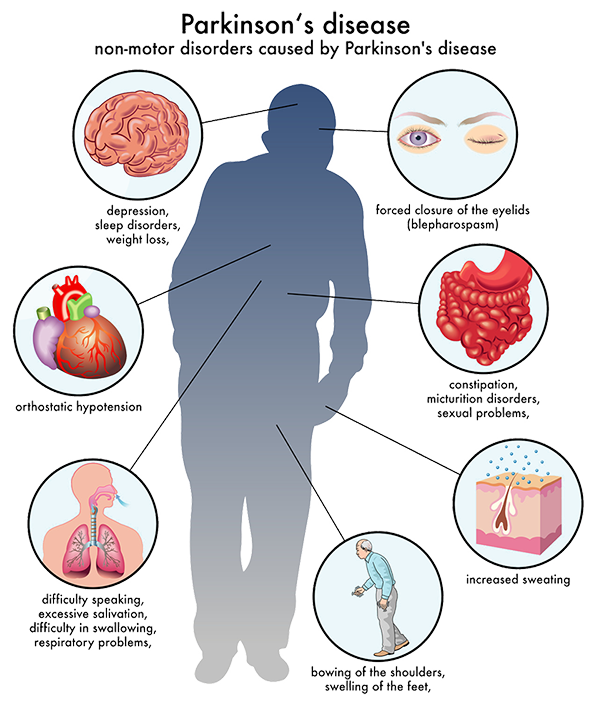
Signs of Parkinson"s Disease
Tremors are the most recognizable of the signs of Parkinson’s disease (characterized by a shaking of the limbs and body – about 5 per second). Rigidity, just as it sounds, is a stiffness of the body and muscles. Slowness movement may seem contradictory to the other signs of Parkinson’s disease, but in many cases continued rapid movement eventually causes a decrease in amplitude and the loss of ability to perform that movement at all. Loss of balance is caused by a failure of postural reflexes.
Other motor (movement) signs of Parkinson’s disease include: shuffling, decreased arm swing, “stooped” posture, festination, inability to move the feet, abnormal, and sustained muscle twisting and contraction. Patients also typically suffer speech and swallowing problems like rapid, poorly-intelligible speech, drooling or loss of verbal comprehension.
Some of the non-movement related signs of Parkinson’s disease include: mood disturbances, depression, slowed reaction time, dementia, memory loss, sleep disturbances, fatigue, dizziness and fainting, loss of smell and muscle pain.
Finally, the autonomic (self-managing in the within the body) signs of Parkinson’s disease include: oily skin, urinary incontinence, costipation, altered sexual function, and weight loss.
These typical symptoms and signs of Parkinson’s disease are not fatal, but do cause extreme discomfort in patients
suffering from this condition
WEST AZARBIJAN URMIA--Dr.RAHMAT SOKHANI


اسپیرومتری یا تست عملکرد ریه
تهیه: سوزان فیضی آذر - کارشناس پرستاری از مرکز آموزشی درمانی امام خمینی (ره) اورمیه
ویراستار :دکتر رحمت سخنی از مرکز آموزشی درمانی امام خمینی (ره) اورمیه
تست عملکرد ریه :
- جهت اندازه گیری حجم های ریوی : حجم باقیمانده – ذخیره دمی – ذخیره بازدمی و ظرفیت های کلی ریه و ظرفیت های کلی ریه و ظرفیت حیاتی ریه انجام می گردد .
موارد مصرف اسپیرومتری :
1- ارزیابی اختلال عملکرد ریوی بر اساس تاریخچه و معاینه فیزیکی و بررسی های پاراکلینیک ( CXR – بررسی گازهای شریانی)
2- ارزیابی شدت اختلال در بیماران ریوی
3- بررسی تغییر عملکرد در طی زمان و طی درمانهای انجام شده
4- ارزیابی اثرات تماسهای شغلی یا محیطی بر روی عملکرد ریه (دودسیگار – گرد و غبارهای معدنی و صنعتی )
5- تعیین میزان خطر اعمال جراحی بر روی عملکرد ریه
6- بررسی میزان اختلال عملکرد ریه و ناتوانی ریه ( توانبخشی– پزشکی قانونی– سربازی و ...
7- ارزیابی وضعیت تنفسی برای جداسازی بیمار از ونتیلاتور
8- مطالعات اپیدومیولوژیکی
موارد منع استفاده (ممنوعیت ها)از اسپیرومتری :
1- هموتپزی با منشا نامعلوم
2- پنوموتوراکس درمان نشده
3- وضعیت ناپایدار قلبی – عروقی
4- آنوریسم های شکمی یا سینه ای و مغزی
5- بصورت نسبی در اعمال جراحی اخیر چشم جهت کاتاراکت
6- وجود یک بیماری حاد که باعث عدم همکاری بیمار می شود( تهوع – استفراغ )
7- جراحی های اخیر شکم و قفسه سینه
عوارض اسپیرومتری :
1- پنومو توراکس
2- افزایش فشارداخل جمجمه
3- سنکوپ و سرگیجه – سردرد
4- درد سینه
5- حملات سرفه
6- برونکو اسپاسم
7- کاهش میزان اکسیژن خون در اثر قطع اکسیژن تراپی حین انجام تست
8- انتقال عفونتهای بیمارستانی در صورت عدم رعایت نکات بهداشتی
آمادگیهای لازم :
آمادگی خاص جهت انجام تستها لازم نیست حدالامکان یکساعت قبل از تست از استعمال دخانیات خودداری کرده و 6 ساعت قبل از تست ورزش های سنگینی انجام نداده باشد .همکاری بیمار حین تست رل مهمی در انجام صحیح تستها دارد.
تخلیه خلط و تمیز کردن راههای تنفسی قبل از تست ، کمک در انجام درست و کامل تست ها میباشد .
اندازه گیری قد و وزن بیمار و داشتن سن بیمار از اطلاعات اولیه برای شروع تست ها میباشد .
اساس پاتونیزیولوژی تفسیر آزمونهای تنفسی:
1-اختلال تحدیدی که باعث کاهش کمپلیانس ریه و توراکس یا هر دو شده که خود باعث VCو TLC می گردد .
2-اختلال انسدادی که باعث افزایش مقاومت راههای هوائی و کاهش جریان ریوی می گردد.
3- اختلال ترکیبی: مخلوطی از اختلال انسدادی و تحدیدی است که باعث افزایش مقاومت راههای هوائی و کاهش کمپلیانی ریه شده و باعث کاهش جریان و کاهش حجم های ریه
می گردد .
URMIA--Dr.RAHMAT SOKHANI

روشهای جدید برخورد با سرطان پستان
نوشته : خانم دکتر مریم طبا طبائیان
تا سالهای قبل تمام موراد سرطان پستان منجر به جراحی وسیع شامل برداشتن کل پستان دربرداشتن تمام غدد لنفاوی زیر بغل بود که این روش ضربه روحی شدیدی به بیمار ایجاد می کرد و تورم شدید و آزاردهنده دست و بازو در 30% بیماران زندگی طبیعی آنها را مختل می نمود.
در مورد غدد لنفاوی زیر بغل نیز روشهای جدیدی به شرط تشخیص زود هنگام سرطان پستان وجود دارد که با انجام این روشها تعداد کمتری از غدد لنفاوی برداشته می شود و لذا درد بعد از عمل، محدودیت حرکات شانه و تورم بازو و دست درموارد کمتری ایجاد می شود. با توجه به گفته های فوق مراجعه بموقع، معاینه فردی و انجام معاینه و ماموگرافی طبق روال ذکر شده زندگی مطلوب تری را برای زنان جامعه که هسته کانون خانوده هستند به ارمغان می آورد. سایر روشهای نوین در جراحی سرطان پستان و بهبود کیفیت زندگی این بیماران
- با پیشرفت روشهای رادیولوژی، در بیمارانی که قبلا جراحی وسیع پستان شده اند یا بعللی در حال حاضر نیز باید با این روش جراحی شوند امکان بازسازی نسج پستان وجود دارد که در این روش یا از عضلات و نسوج خود بدن یا از پروتزهای قابل کارگذاری در داخل بدن استفاده می شود.
- با توجه به مشکلات شیمی درمانی و لزوم تزریقات مکرر با ابداع پمپ های انفوزیون داخل وریدی نیاز به رگ گیری مکرر مرتفع گردیده و عروق بیمار آسیب ندیده و درد تزریقات مکر که عامل نگرانی و استرس است نیز از بین می رود.
WEST AZERBAIJAN URMIA--Dr.RAHMAT SOKHANI
http://www.rs272.com/

WHO SHOULD BE TREATED AND HOW
Treatment should be considered in patients with HBeAg positive or HBeAg negative HBV DNA positive chronic hepatitis.
HBeAg-positive patients — Treatment should be delayed for three to six months in newly diagnosed HBeAg positive patients with compensated liver disease to determine whether spontaneous HBeAg seroconversion will occur. Patients with chronic hepatitis whose serum ALT is persistently below two times the upper limit of normal can be observed, considering treatment if and when the serum ALT becomes higher. Possible exceptions to this rule are those who have recurrent hepatitis flares that fail to clear HBeAg, patients with icteric flares, those with advanced histologic findings (such as bridging fibrosis/cirrhosis), and patients above the age of 40 with persistently high HBV DNA levels. Treatment may also be indicated in patients with HBV-related polyarteritis nodosa. Although treatment can lead to virus suppression in HBeAg positive patients with normal ALT, the likelihood of HBeAg seroconversion is low. The benefits of long-term treatment in such patients, most of whom being young Asians with perinatally acquired HBV infection, must be balanced against the risks of drug-resistance, side effects, and costs.
HBeAg-negative patients — Treatment may be initiated immediately once a diagnosis of HBeAg negative chronic hepatitis is established because sustained remission is rare in the absence of treatment. Because of the fluctuating course of HBeAg negative chronic hepatitis, serial follow-up is needed to differentiate an inactive carrier state from HBeAg negative chronic hepatitis. Liver biopsy should be considered in HBeAg negative patients who have serum HBV DNA levels of 10(4) to 10(5) copies/mL and normal or mildly elevated ALT to determine if treatment is warranted.
Choosing among the available options — Treatment strategies for chronic HBV include interferon, lamivudine, adefovir dipivoxil, telbivudine, and entecavir. Many new treatments are undergoing testing. Thus, an approach to the care of patients with HBV is evolving rapidly. The following are general rules that can be considered when deciding upon an approach in individual settings. The advantage of interferon compared to the other options are its finite duration of treatment, the absence of selection of resistant mutants, and a more durable response. On the other hand, side effects from interferon are troubling for many patients, and (less commonly) can be severe. Furthermore, interferon cannot be used in patients with decompensated disease. The main role of interferon is primarily treatment of young patients with well compensated liver disease, who do not wish to be on long-term treatment, and in whom drug resistance may limit their treatment options in the future. The main advantages of lamivudine are its lower cost and the many years of experience confirming its safety, including its use during pregnancy. Compared to adefovir, lamivudine has more rapid and more potent virus suppression, but entecavir is superior to lamivudine in suppressing viral replication. The main disadvantage of lamivudine is the high rate of drug resistance. The role of lamivudine in the care of HBV is likely to diminish with the availability of entecavir and adefovir, which are associated with lower rates of drug resistance. Lamivudine may still have a role in patients coinfected with HIV (in whom lamivudine may be part of the antiretroviral regimen), and in those who require short-term treatment such as HBsAg positive patients receiving prophylaxis during cancer chemotherapy. The main advantage of adefovir is its activity against lamivudine-resistant HBV and a lower rate of drug resistance compared to lamivudine. However, virus suppression is slow at the approved dose and up to 25 percent of patients experience minimal or no viral suppression. The average wholesale price of adefovir is approximately $15 to $19 per day, less than entecavir ($20 to $25 per day), more than telbivudine (around $16 per day), and considerably more than lamivudine ($7 per day). Adefovir at high doses has been associated with nephrotoxicity. At the approved dose of 10 mg daily, reversible increase in serum creatinine has been reported in 3 to 9 percent of patients after four to five years of treatment. Adefovir resistance was not detected after one year of treatment but the rate of drug resistance has been reported to be as high as 29 percent after five years of treatment. The most important role of adefovir is in the treatment of patients with lamivudine-resistant HBV, preferably in combination. In vitro data suggest that adefovir is also effective in suppressing telbivudine- and entecavir- resistant HBV but clinical data are not available. . The main advantages of entecavir are its potent antiviral activity and a low rate of drug resistance. Entecavir has a more important role in primary treatment of HBV than in patients with lamivudine-resistant HBV. Entecavir may also have an important role in patients with decompensated cirrhosis because of its potent antiviral activity and low rate of drug resistance but its safety in this patient population has not been well studied. Entecavir is a new drug and its safety as well as rate of drug resistance with long-term use is unknown. Studies in rodents (that used 24 to 40 fold higher doses of entecavir than in humans) have reported increased rates of tumors; the relevance of these findings to humans is unclear. As noted above, entecavir is much more costly than lamivudine and somewhat more costly than adefovir. Telbivudine appears to have slightly more potent antiviral effects compared with lamivudine and adefovir but it selects for the same resistant mutants as lamivudine and is more expensive. Thus, its role as primary therapy is limited. For HBeAg positive patients, the likelihood of response to lamivudine, adefovir, telbivudine, entecavir, and interferon depends highly upon the degree of elevation of the serum aminotransferases. As a general rule, treatment with any of these drugs does not result in higher rates of HBeAg seroconversion compared to no treatment in those who have a serum ALT 2 X the upper limit of normal. For HBeAg negative patients, prediction of response is less precise. Because of the need for long-term treatment, therapy is recommended only for those with persistent or intermittent elevation in ALT and/or substantial histologic abnormalities (moderate/severe inflammation or bridging fibrosis/cirrhosis). Interferon, adefovir or entecavir are generally preferred because long-term treatment with lamivudine is associated with diminishing response due to selection of drug-resistant mutants. An advantage of entecavir is a greater degree of reduction in HBV DNA compared with adefovir, although there have been no
direct comparisons
. Masoud sadreddini ,Gastroenterologist, associated professor of faculty of medicine , Urumieh medical University
http://www.rs272.com